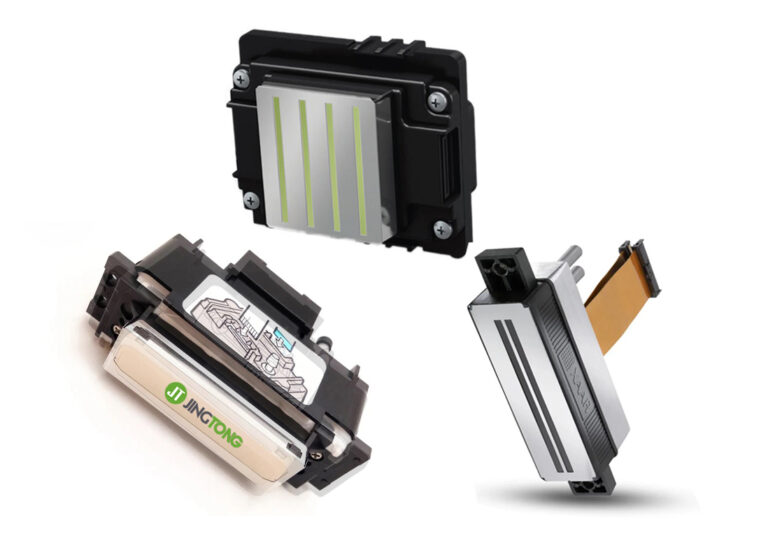
An industrial inkjet printhead is designed for production environments where consistent output, reliable operation, and compatibility with specific inks are essential. Unlike equipment intended mainly for occasional printing, industrial systems may run for extended periods and handle demanding production schedules.
Industrial printheads are used in packaging, textiles, ceramics, building materials, labels, and product decoration. Their suitability depends on the application, ink properties, production speed, and printer configuration.
Key Characteristics of Industrial Printheads
Durability and Stable Operation
Industrial printing often requires sustained operation with minimal interruptions. Printhead durability depends on internal materials, manufacturing quality, operating conditions, ink compatibility, and maintenance.
A long stated service life does not guarantee the same results in every machine. Incorrect ink, contamination, air bubbles, or unsuitable operating parameters can shorten component life.
Ink Compatibility
Different applications may require UV, aqueous, solvent-based, high-viscosity, or particle-containing inks. Not every printhead supports every formulation.
Before choosing a head, verify the approved ink type and operating range. Using incompatible ink may cause poor jetting, blocked nozzles, or damage to internal materials.
Consistent Droplet Control
Droplet size and placement affect image detail, coverage, and printing efficiency. Smaller droplets can help reproduce fine details, while larger droplets may provide better coverage in some applications.
The right balance depends on the substrate and production target. Printhead specifications should be evaluated alongside the printer’s resolution, print mode, and mechanical accuracy.

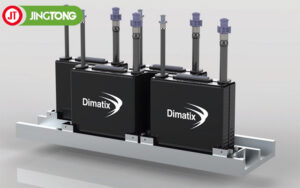
Internal Ink Circulation Technology
Some industrial printheads use internal ink circulation to keep ink moving through parts of the ink channel. Depending on the design, circulation can help reduce stagnation, manage bubbles, and improve ink consistency.
This can be useful when printing with white UV ink, pigmented inks, or certain specialized fluids. However, circulation does not eliminate the need for suitable filtration, correct pressure settings, or regular maintenance. The actual benefits depend on the printhead design and ink formulation.
How to Select the Right Industrial Printhead
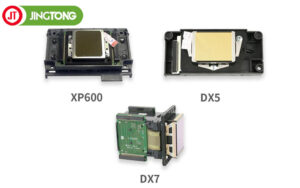
Before purchasing, consider the required output, ink type, droplet characteristics, operating conditions, and compatibility with the control system. Confirm the exact model and its approved ink specifications rather than relying on the brand name alone.
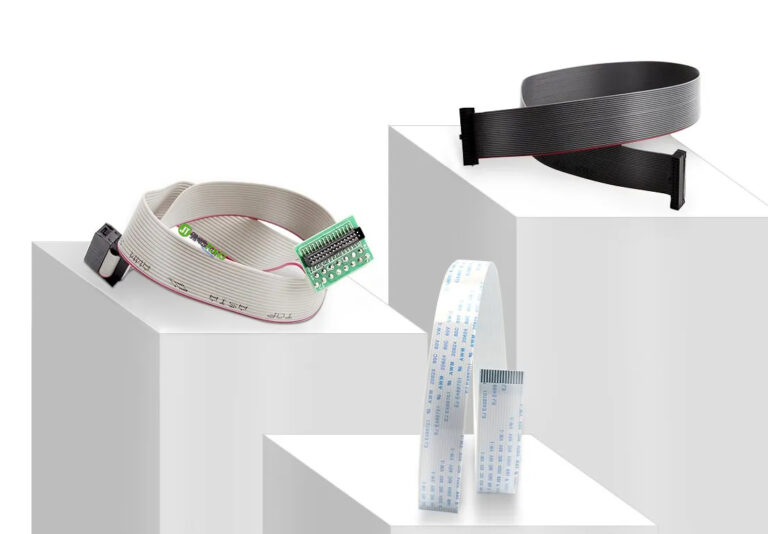
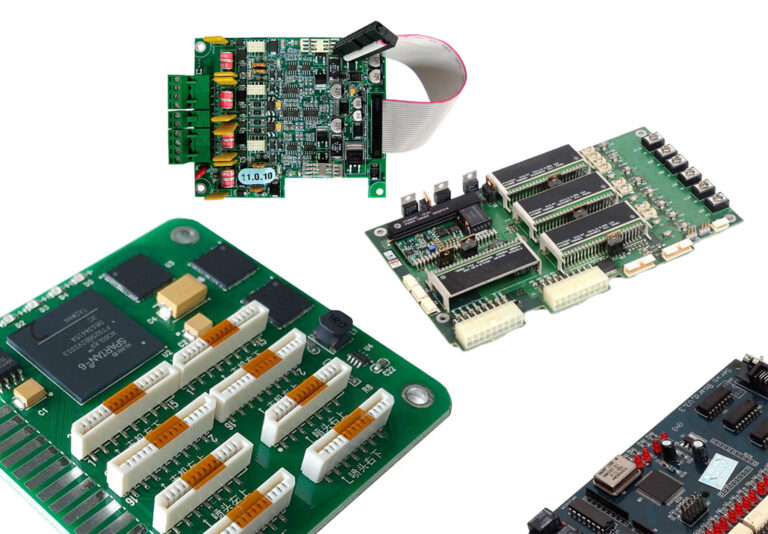
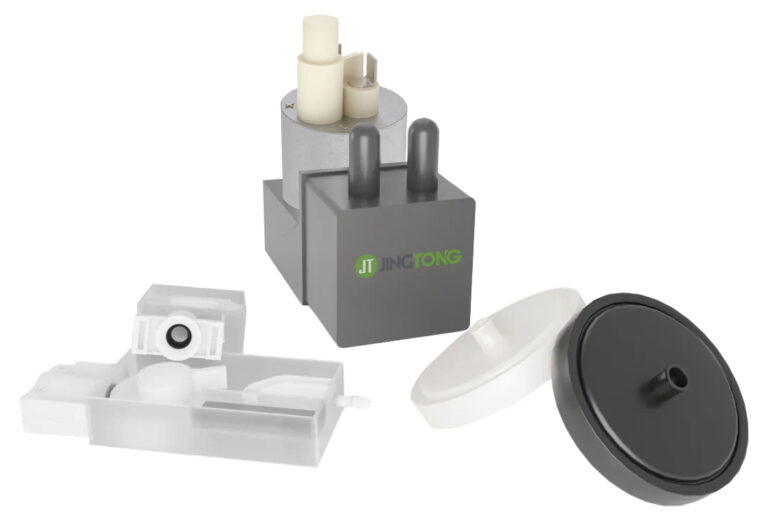
For replacement projects, also check mounting dimensions, cables, drive electronics, and available maintenance parts. A technically capable printhead is only suitable when the complete printer system supports it.
Conclusion
Industrial inkjet printheads must balance durability, stable operation, droplet control, and ink compatibility. Internal circulation may offer advantages for certain applications, but no single design suits every production process. Matching the printhead to the ink and equipment is essential for reliable performance.