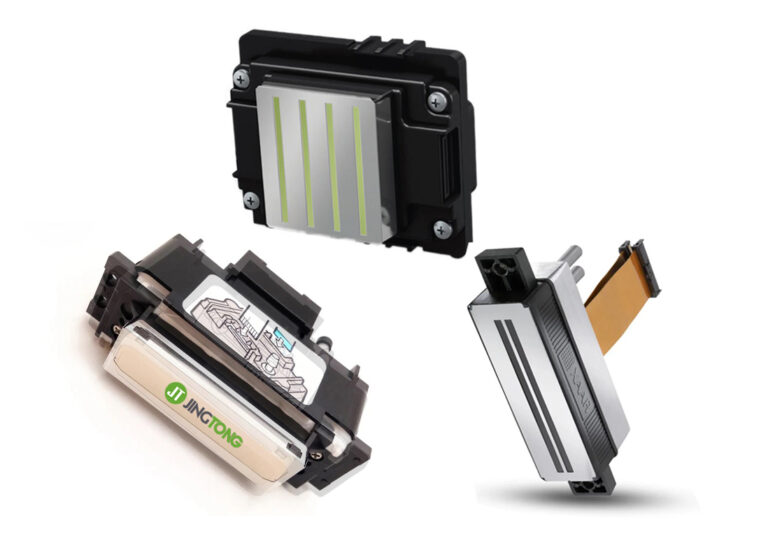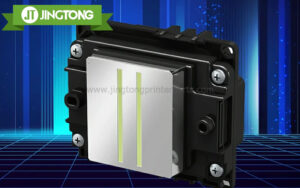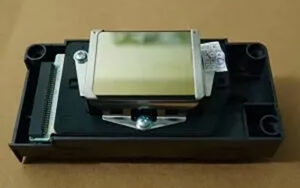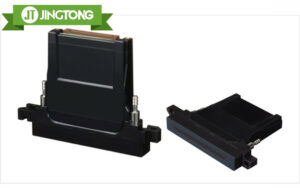
The Seiko 508GS printhead and Seiko 1024GS printhead are industrial piezoelectric inkjet printheads designed for high-productivity printing systems. Both feature a printing width of approximately 72 mm and support grayscale printing, but they differ in nozzle count, droplet control, and operating frequency.
The 508GS provides 508 nozzles and a 12 pL base droplet size, while the 1024GS features 1,024 nozzles and supports droplet volumes starting at 7 pL. These differences make the two models suitable for different printing requirements.
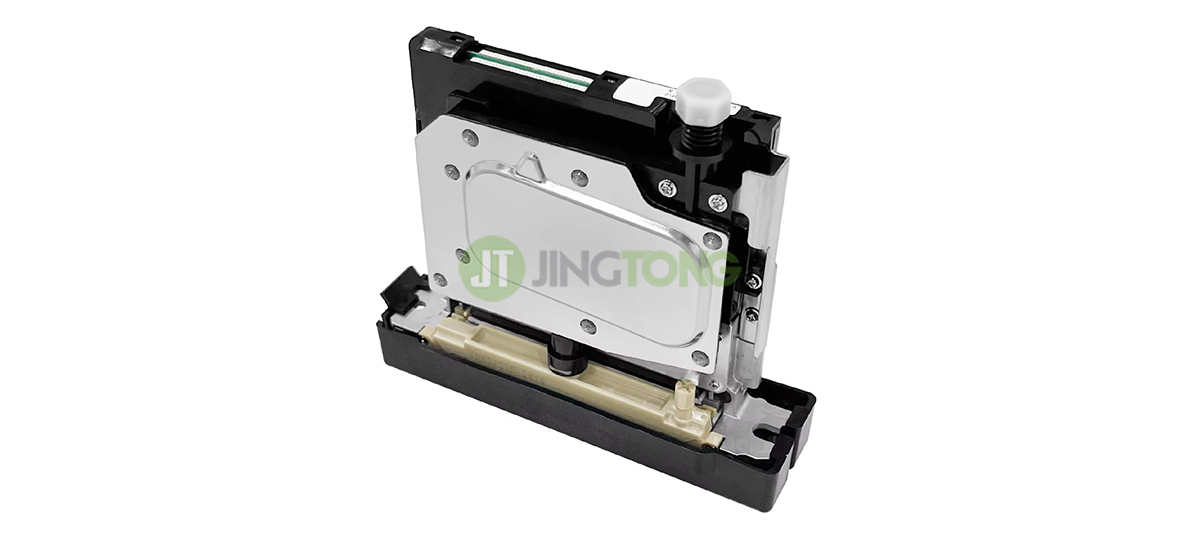
Seiko 508GS Printhead Features
The Seiko 508GS is an industrial printhead used in wide-format and specialized printing equipment.
Key specifications include:
● Model: SPT-508GS
● Nozzle count: 508
● Print width: 71.54 mm
● Native nozzle resolution: 180 npi
● Base droplet size: 12 pL
● Grayscale printing: Supports variable droplet output
● Jetting frequency: Up to 14 kHz in commonly published specifications
The 508GS supports variable droplet printing, helping balance image detail and ink coverage. Its industrial construction and simultaneous nozzle drive support production applications such as UV printing, textile printing, and other compatible inkjet processes.
Seiko 1024GS Printhead Features
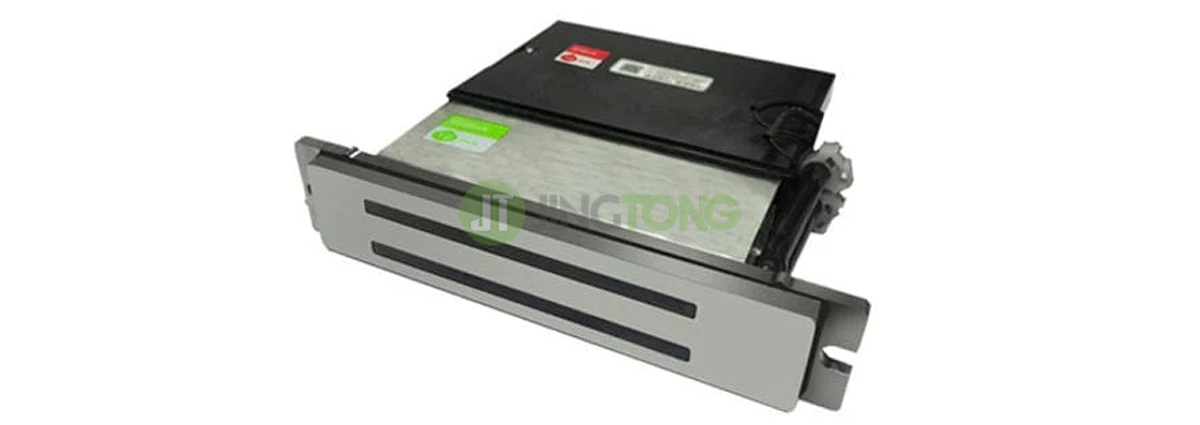
The Seiko 1024GS is designed for industrial printing systems that require a higher nozzle count and more flexible droplet control.
Key specifications include:
● Model: SPT-1024GS
● Nozzle count: 1,024
● Print width: 72.17 mm
● Native nozzle resolution: 360 npi
● Droplet volume: 7–35 pL
● Grayscale printing: Up to six levels
● Jetting frequency: Up to 30 kHz
With twice the nozzle count of the 508GS and a smaller minimum droplet size, the 1024GS supports finer image reproduction and higher-frequency operation. Its variable droplet technology helps deliver both fine details and greater ink coverage, depending on the selected printing mode.
Main Differences Between Seiko 508GS and 1024GS
| Specification | Seiko 508GS | Seiko 1024GS |
|---|---|---|
| Nozzle count | 508 | 1,024 |
| Print width | 71.54 mm | 72.17 mm |
| Native nozzle resolution | 180 npi | 360 npi |
| Droplet volume | 12/24/36 pL | 7/14/21/28/35 pL |
| Typical maximum frequency | 14 kHz | 30 kHz |
| Main advantage | Established industrial printing performance | Higher nozzle density and finer droplet control |
Which Seiko Printhead Is Better for Your Application?
The Seiko 508GS is a practical option for industrial printers designed around its specifications and compatible ink systems. Its grayscale printing capability supports applications that need a balance between image quality and ink coverage.
The Seiko 1024GS is better suited to systems that benefit from higher nozzle density, smaller droplets, and higher firing frequency. It is a strong choice for applications requiring finer details and increased printing productivity.
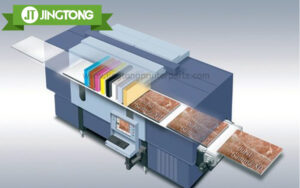
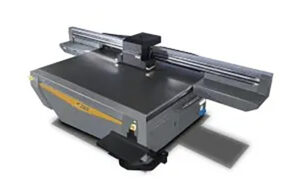
Both models are used in industrial inkjet applications, including compatible UV, textile, ceramic, and specialty printing systems. The appropriate model depends on the ink type, print quality, production target, and printer configuration.
Conclusion
The main difference between the Seiko 508GS and 1024GS lies in nozzle count, native resolution, droplet range, and jetting frequency. The 508GS offers a proven configuration for compatible industrial systems, while the 1024GS provides higher nozzle density and more flexible droplet control.
Understanding these specifications helps buyers select the right Seiko printhead for their equipment and production requirements.