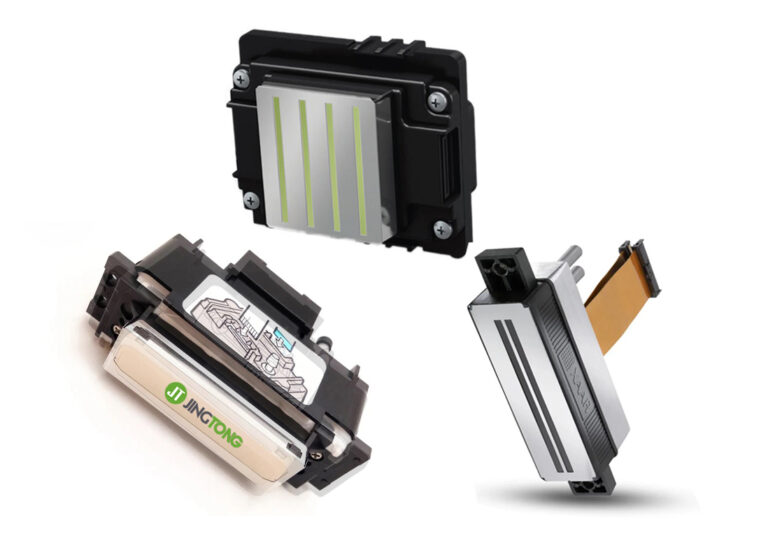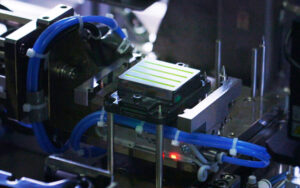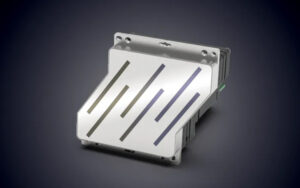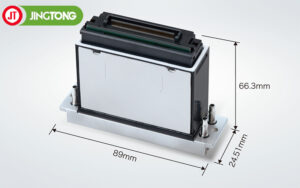
The Ricoh GH2220 printhead is a compact piezoelectric inkjet printhead designed for applications that require fine printing and controlled ink deposition. Its combination of small droplet sizes, integrated temperature control, and industrial inkjet technology makes it suitable for selected UV, solvent, and other compatible printing systems.
However, printhead durability depends on more than the hardware itself. Ink compatibility, operating temperature, maintenance, and the printer’s ink delivery system all affect long-term performance.
Key Specifications of the Ricoh GH2220
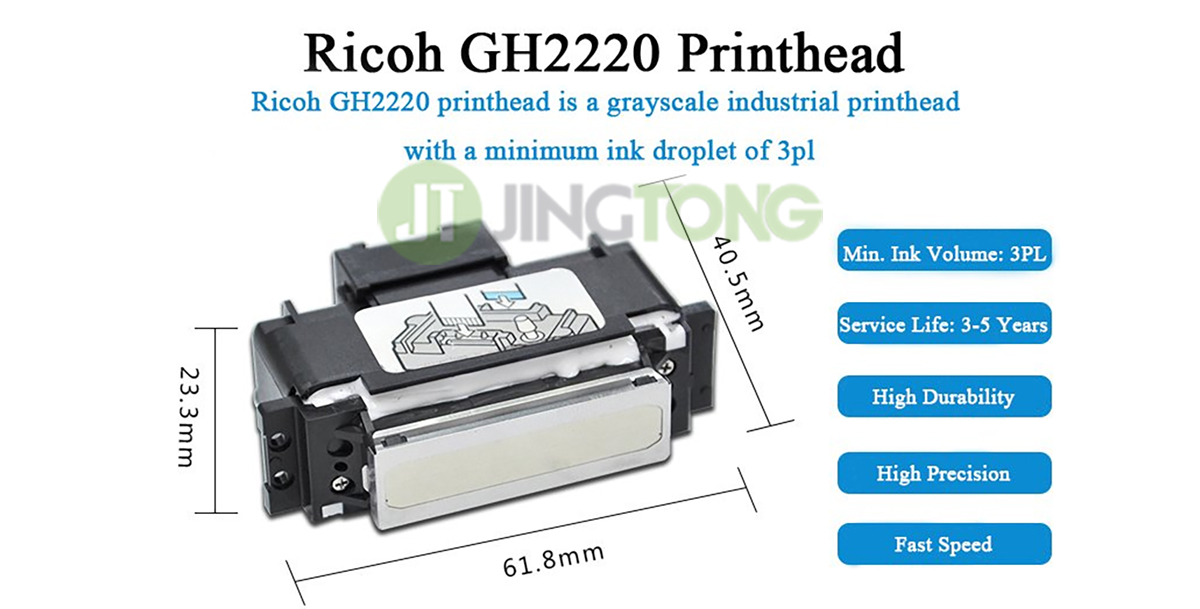
The GH2220 features 384 nozzles and a compact design suited to printers with limited installation space. Commonly published specifications include:
● Nozzle count: 384
● Print width: Approximately 23.3 mm
● Minimum droplet size: Approximately 3–5 pL in single-drop mode
● Maximum drive frequency: Up to 30 kHz in single-drop mode
● Grayscale capability: Up to four levels, depending on operating mode
● Temperature control: Integrated heater and temperature sensor
What Supports Its Durability?
Temperature Control
Ink viscosity changes with temperature. The GH2220’s integrated heating and temperature-sensing functions help maintain suitable operating conditions for compatible inks.
Correct temperature management can support consistent droplet formation. However, the temperature must remain within the range specified for the ink and printhead.
Ink Delivery and Circulation
Stable ink supply is essential for reliable jetting. Air bubbles, contamination, unstable pressure, or unsuitable ink viscosity can lead to missing nozzles and inconsistent output.
A properly designed ink supply system, appropriate filtration, and compatible ink help reduce avoidable operating problems. Ink circulation features and configurations should be verified for the specific printer and printhead setup.
Compact Industrial Construction
The GH2220’s compact structure makes it suitable for smaller industrial and specialty printing systems. Its relatively small droplet size also supports fine text and detailed graphics when the printer is correctly calibrated.
Nevertheless, compact size and fine droplet control alone do not establish a guaranteed service life.
How Long Can a Ricoh GH2220 Printhead Last?
Some published product information cites a nominal service life of approximately 30 billion firing cycles. This figure should be treated as a reference specification, not a guarantee that the printhead will operate for a fixed number of years.
Actual service life depends on usage intensity, ink chemistry, cleaning frequency, temperature control, electrical drive conditions, and maintenance quality. A printer operating continuously under demanding conditions may experience a different service life from one used intermittently.
For purchasing decisions, evaluate the expected production workload and the cost of maintenance or replacement rather than relying on a firing-cycle figure alone.
Compatible Ink and Application Considerations
The GH2220 is listed for use with selected water-based, solvent, and UV-curable ink systems. Compatibility is not universal: ink viscosity, chemical composition, and operating temperature must meet the requirements of the exact printhead version.
The printhead can be considered for compact UV printers, product customization, labels, and other applications requiring fine graphics. Actual print quality and productivity depend on the complete printer configuration, including the RIP software, drive waveform, substrate, and printing mode.
Conclusion
The Ricoh GH2220 printhead offers compact integration, fine droplet control, and temperature-management features for compatible industrial inkjet systems. Its durability depends on selecting the correct ink and maintaining stable operating conditions.
Before purchasing a replacement, verify the complete model specification and printer compatibility. Proper ink management and routine maintenance are essential for achieving consistent performance over time.