Sustainability is becoming one of the most important trends in the global printing industry. More printing manufacturers and industrial inkjet companies are adopting environmentally responsible production methods to reduce waste, improve energy efficiency, and meet growing market demand for eco-friendly printing solutions.
From UV printers to industrial inkjet systems, sustainability is now influencing equipment design, ink technology, and manufacturing standards across the entire industry.
1. What Is a Sustainably Managed Printing Company?
A sustainably managed company focuses on reducing environmental impact while maintaining efficient and stable production.
Key sustainability practices include:
Energy-efficient production systems
Reduced ink and material waste
Eco-friendly ink formulations
Lower VOC emissions
Recycling and optimized resource usage
Many printing companies are now investing in greener manufacturing technologies to improve long-term operational efficiency and environmental performance.
2. Sustainability in UV and Inkjet Printing
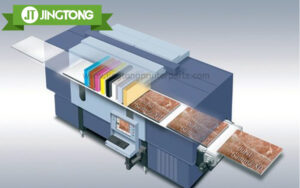
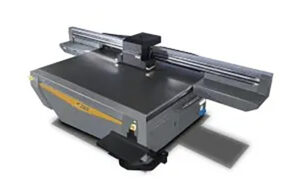
Modern UV and industrial inkjet printing technologies are becoming more environmentally friendly compared to traditional printing methods.
UV LED Printing Technology
UV LED curing systems significantly reduce energy consumption compared with traditional mercury lamp curing systems. LED UV technology also improves curing efficiency and reduces maintenance requirements.
Eco-Friendly Ink Development
Ink manufacturers are developing:
Low-VOC UV inks
Bio-based ink formulations
Water-based industrial inks
Safer chemical compositions
These innovations help reduce environmental impact while maintaining strong print performance and durability.
3. Role of Industrial Printheads in Sustainable Printing
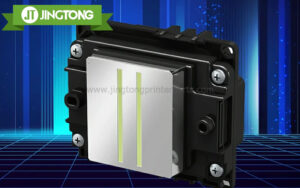
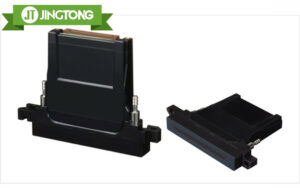
High-quality printheads help improve sustainability by increasing printing precision and reducing ink waste.
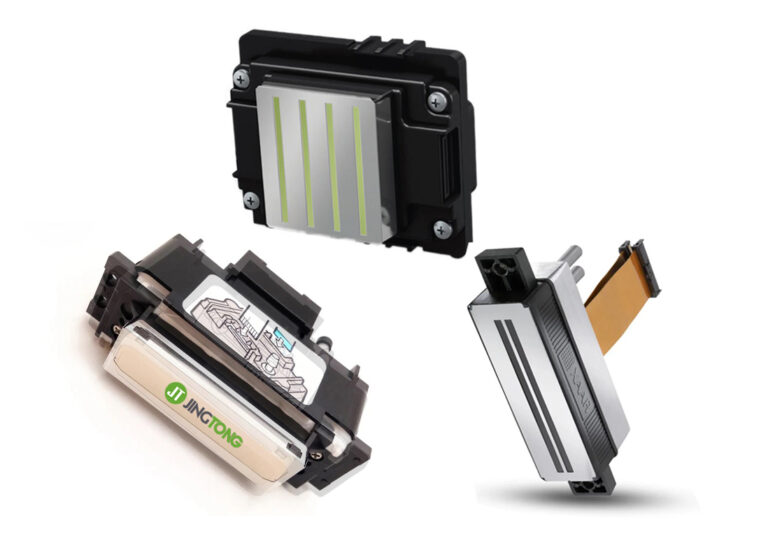
Industrial printheads from brands such as:
Ricoh
Kyocera
Konica
Epson
allow more accurate ink droplet control, stable long-term operation, and reduced maintenance frequency.
Efficient printhead technology improves production efficiency while lowering overall operating costs.
4. Benefits of Sustainable Printing Solutions
Sustainable printing technologies provide several long-term advantages:
Lower energy consumption
Reduced production waste
Improved operational efficiency
Better compliance with environmental regulations
Stronger global market competitiveness
Many customers and international buyers now prefer suppliers that follow sustainable manufacturing standards and environmentally responsible production methods.
5. Future Trends in Sustainable Printing
The printing industry continues moving toward greener production systems.
Future trends include:
Wider adoption of UV LED curing
Increased use of recyclable materials
Low-emission ink technologies
Smart automated printing systems
Longer-life industrial printheads
Digital printing technology is also helping reduce overproduction and material waste by supporting short-run and on-demand manufacturing.
Conclusion
Sustainably managed companies are shaping the future of the global printing industry. From eco-friendly UV printing to advanced industrial inkjet systems, sustainability is becoming a core factor in printing technology development.
As environmental standards continue to rise worldwide, companies that adopt sustainable printing solutions, efficient printhead technologies, and low-impact manufacturing processes will gain stronger competitiveness in the global market.