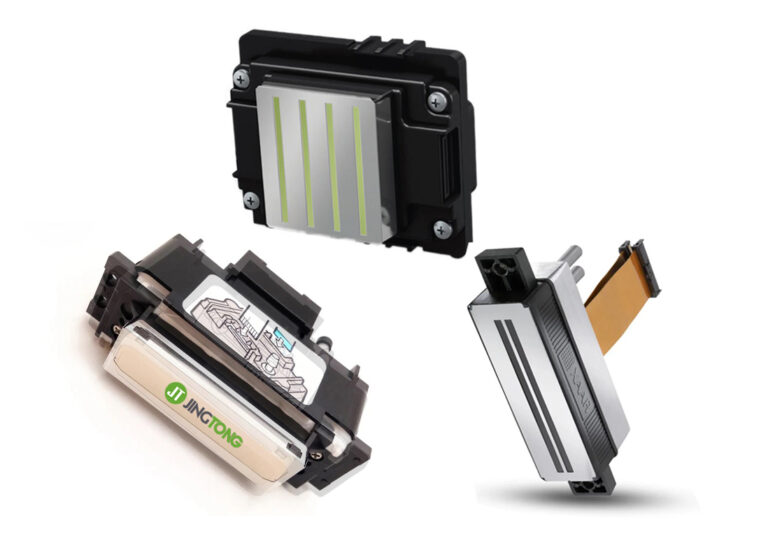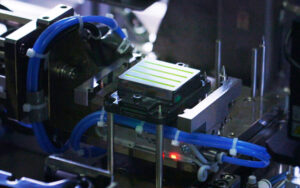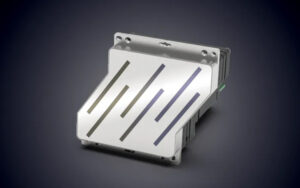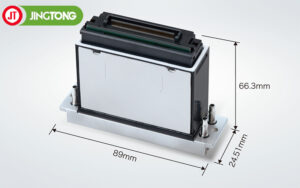
The Epson 4720 printhead is one of the most widely used industrial inkjet printheads in the printing market. It is also commonly known as the Epson 3200 printhead due to its 3200 nozzles.
It is widely used in UV printers, DTF printers, eco solvent printers, and textile printing systems because of its balance of cost, speed, and multi-ink compatibility.
Although many users refer to it as a single model, in the market there are actually different versions and coding types of Epson 4720 printheads depending on production batches, decoding methods, and application setups.
1. Basic Structure of Epson 4720 Printhead
The Epson 4720 printhead is a PrecisionCore piezoelectric inkjet head with the following key structure:
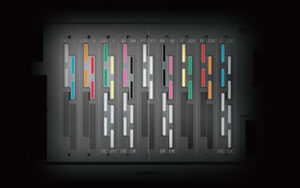
Total nozzles: 3200 (8 rows × 400 nozzles)
Print width: 1.3 inches
Minimum droplet size: about 2.5pl
Grayscale printing support
Multi-ink compatibility (UV, solvent, water-based, sublimation)
This structure allows high-speed industrial printing while maintaining good image quality and stability.
2. Main Market Versions of Epson 4720 Printhead
In the real market, Epson 4720 printheads are generally divided into the following types:
1) Original Epson 4720 Printhead
This is the standard version used in Epson-related OEM systems.
Best stability
Highest consistency
Strict quality control
It is the most reliable version but less commonly sold in open aftermarket channels.
2) 4720 Second-Coded Printhead
This version is widely used in the aftermarket.
Re-coded or re-activated chip system
Compatible with many UV and DTF printer boards
Lower cost compared to original version
However, stability depends on production quality and supplier.
3) 4720 Decoded / Unlocked Printhead
This type is designed for open-system industrial printers.
No firmware restriction
Easy integration with different RIP systems
Common in Chinese UV/DTF printer setups
It is widely used but requires careful matching with motherboard and ink system.
3. Why Epson 4720 Printhead Is So Popular
The Epson 4720 printhead became popular because it offers a strong balance between performance and cost.
Key advantages:
High nozzle density (3200 nozzles)
Supports multiple ink types
Good printing speed for industrial use
Lower cost than high-end industrial printheads
Suitable for UV, DTF, and eco solvent systems
Because of this flexibility, it is widely adopted in entry-level and mid-range industrial printers.
4. Applications of Epson 4720 Printhead
The Epson 4720 printhead is commonly used in:
UV flatbed printers
UV roll-to-roll printers
DTF printers (textile transfer systems)
Eco solvent printers
Small to medium industrial inkjet systems
It is especially popular in cost-sensitive production environments that still require decent print quality.
5. Limitations of Epson 4720 Printhead
Although widely used, the Epson 4720 printhead also has limitations:
Lower durability compared to industrial heads like Ricoh or Kyocera
Sensitive to ink quality and maintenance conditions
Performance varies depending on coded versions
Not ideal for ultra-high-speed production lines
For heavy industrial use, users often upgrade to more durable printhead models.
Conclusion
The Epson 4720 printhead is not a single fixed version but includes different market types such as original, second-coded, and decoded versions.
With 3200 nozzles, multi-ink compatibility, and strong cost performance, it remains one of the most popular printheads in UV, DTF, and eco solvent printing systems.
However, choosing the right version and supplier is critical for ensuring stability and long-term printing performance in industrial applications.