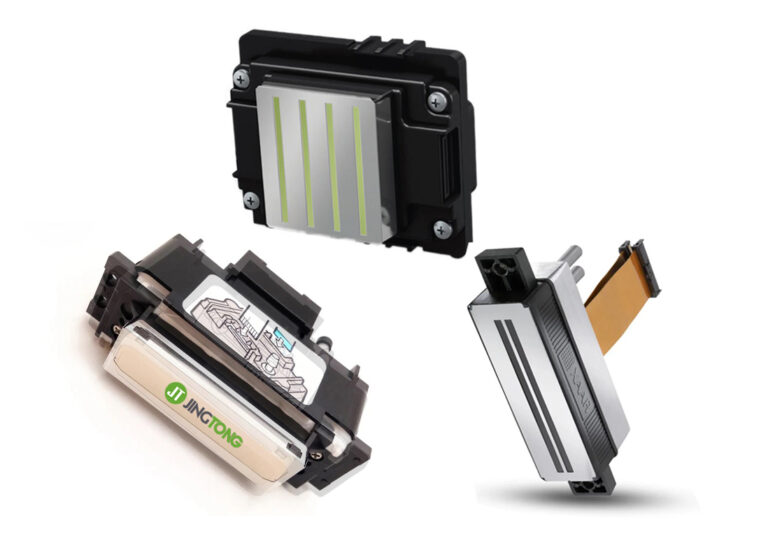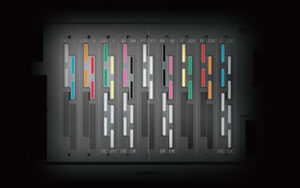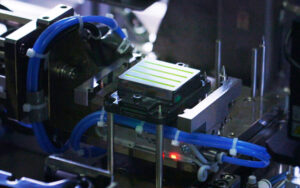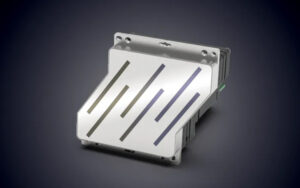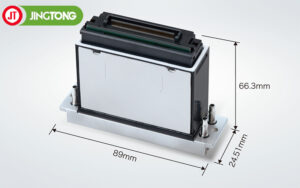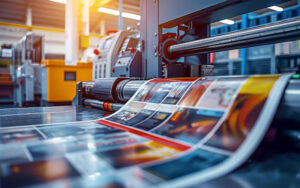
The Kyocera printhead has gained attention in industrial inkjet printing because of its high productivity, precise droplet control, and suitability for continuous production. Kyocera KJ4 series printheads are used in applications such as textile printing, labels, packaging, commercial printing, and decorative materials.
For manufacturers handling large print volumes, the combination of printing speed, image quality, and operating stability can make Kyocera technology an attractive option.
Key Advantages of Kyocera Printheads
High-Speed Industrial Printing
Many Kyocera KJ4 models feature an effective print width of approximately 108 mm. Their high jetting frequencies allow compatible printer systems to achieve high production speeds, making them suitable for demanding industrial workflows.
Some KJ4B models are specified for printing speeds of up to 100 m/min or more, depending on the model and operating conditions. Actual output depends on resolution, ink characteristics, printer configuration, and production requirements.
Variable Droplet Control for Image Quality
Kyocera printheads use piezoelectric technology to eject ink droplets through controlled actuator movement. Depending on the model, variable droplet volumes help balance fine details, smooth tonal transitions, and ink coverage.
This capability is useful when printing both detailed graphics and applications that require greater ink deposition. The available droplet sizes and grayscale performance vary by printhead model.
Designed for Continuous Production
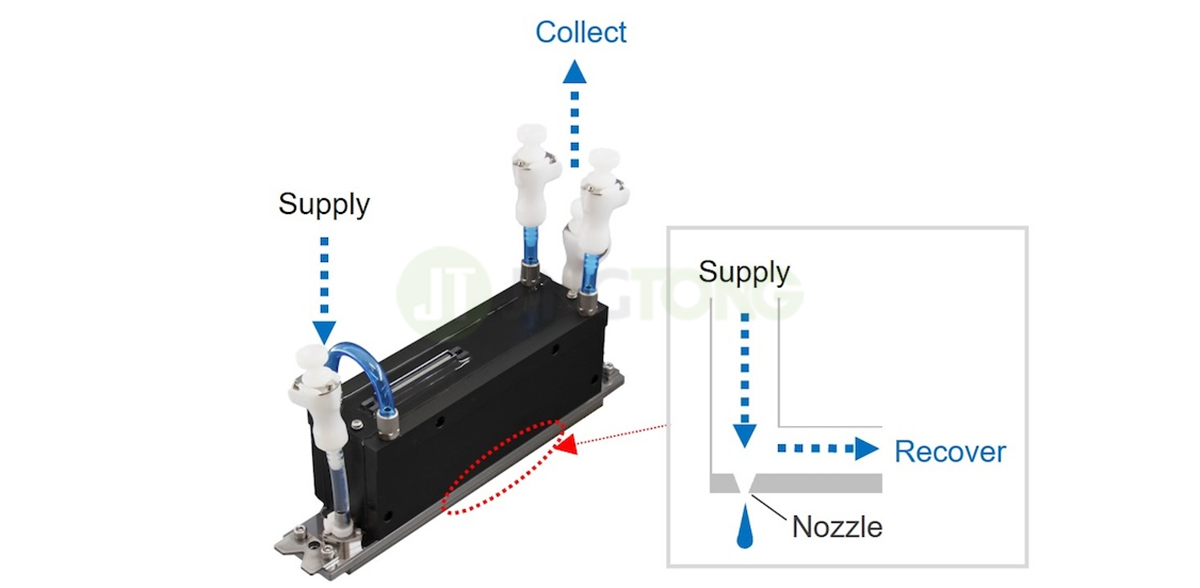
Industrial printing requires consistent ink delivery and reliable nozzle performance. Kyocera printheads combine precision-engineered fluid channels with model-specific features designed to support stable operation.
Certain models include features such as built-in filters or heaters, while other configurations may offer ink recirculation. These functions are not universal across the entire product family, so the exact model specification should always be checked.
Kyocera KJ4A vs. KJ4B Printheads
Choosing the right series begins with identifying the ink system and application.
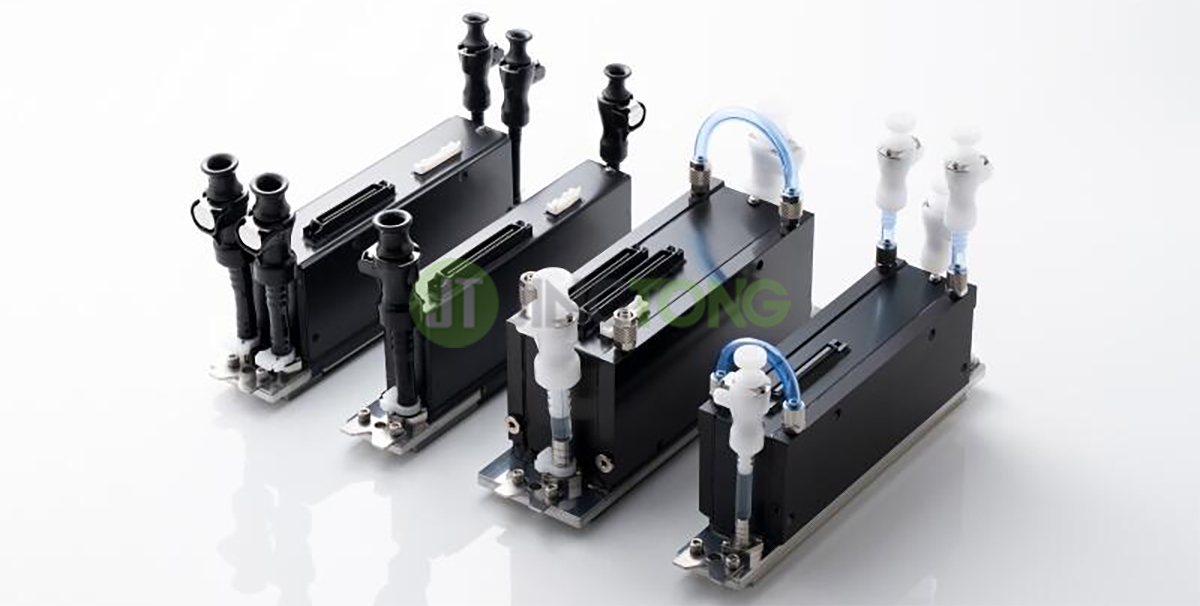
Kyocera KJ4A series
Selected KJ4A models are designed for UV-curable inks and related industrial applications. They are used in areas such as label printing, graphics, and other applications requiring compatible UV ink systems.
Kyocera KJ4B series
Selected KJ4B models are designed for water-based inks and are used in textile, commercial, document, and packaging printing. Different versions prioritize different combinations of resolution, droplet volume, and printing speed.
The series name alone is not enough to confirm compatibility. Buyers should verify the complete model number, ink specifications, and printer system requirements before purchasing.
What to Check Before Buying a Kyocera Printhead
Before replacing or upgrading a Kyocera printhead, confirm the following:
● Exact model: Check the full model number rather than relying only on the KJ4A or KJ4B designation.
● Ink compatibility: Confirm the approved ink type and required fluid properties.
● Printer compatibility: Check mounting dimensions, electrical connections, drive electronics, and waveform requirements.
● Production requirements: Consider the resolution, print width, speed, and ink coverage needed for the application.
● Ink delivery and maintenance: Verify that filtration, pressure control, and cleaning procedures meet the printhead manufacturer’s requirements.
Conclusion
The Kyocera printhead is increasingly relevant to industrial printing because it combines high productivity with precise inkjet control. Its KJ4 series serves a range of applications, from water-based textile and packaging printing to compatible UV printing systems.
However, not every Kyocera model offers the same speed, droplet range, or ink compatibility. Selecting the right printhead requires matching its specifications to the complete printer system and intended application.