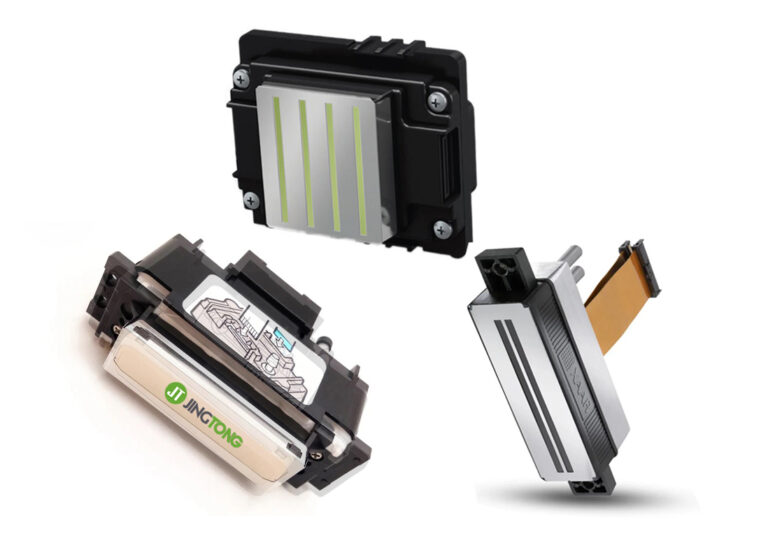
The Epson 4720 printhead, 5113, and i3200 are commonly compared when choosing or upgrading a digital printing system. Although all three are associated with 3,200-nozzle configurations, they differ in ink compatibility, system integration, and application positioning.
The 5113 is primarily associated with water-based printing, the 4720 is widely used in cost-conscious printing systems, and the i3200 series is designed for industrial applications with dedicated versions for different ink types.
Epson 5113 Printhead: Water-Based Printing
The Epson 5113 became popular in water-based digital printing, particularly in textile, sublimation, and related applications.
Its key characteristics include:
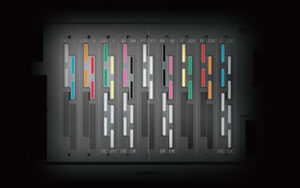
● 3,200 nozzles arranged in eight rows
● Water-based ink applications
● Grayscale printing capability
● Compatibility with established printer platforms designed for this model
The 5113 remains relevant for users operating compatible equipment and seeking replacement printheads. Its suitability depends on the existing ink system and the printer’s supported drive configuration.
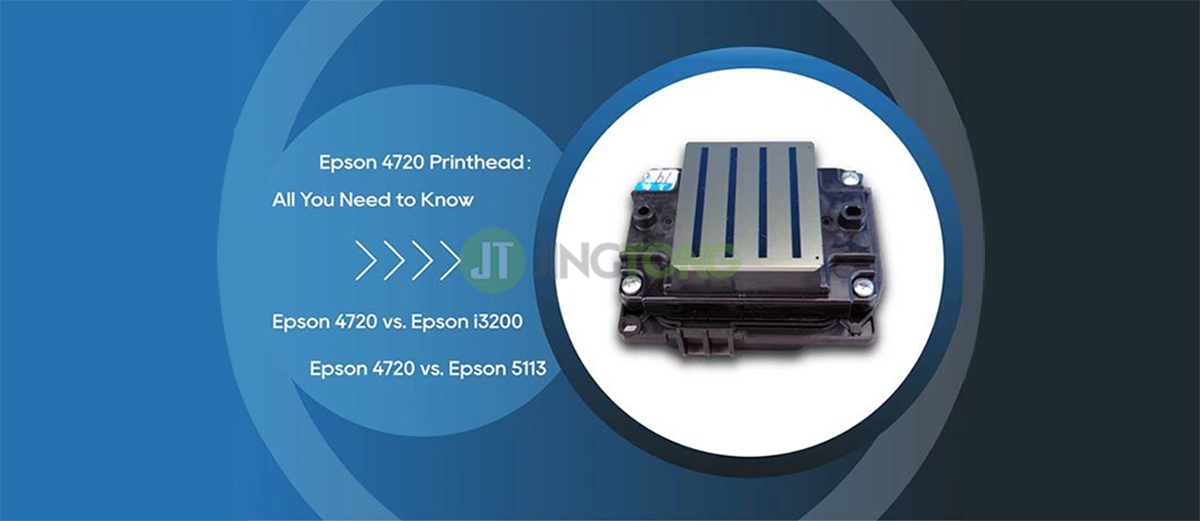
Epson 4720 Printhead: A Cost-Conscious Option
The Epson 4720, also known in some markets as EPS3200, has 3,200 nozzles and an effective print width of approximately 33.8 mm.
It has been used in a range of digital printing systems, including sublimation and selected textile or advertising applications. Its market appeal comes partly from its cost positioning and availability in compatible printer configurations.
Compared with the 5113, the 4720 is associated with a different ink-channel and ink-delivery configuration. Some systems require specific drive or decoding hardware, so compatibility should be checked before installation.
The 4720 is best evaluated as a solution for a compatible existing machine rather than assumed to be a universal replacement for other Epson printheads.
Epson i3200 Printhead: Industrial Printing Performance
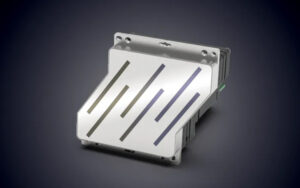
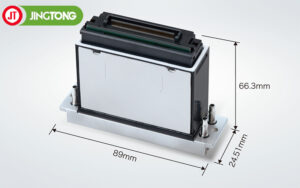
The Epson i3200 is part of Epson’s PrecisionCore MicroTFP industrial printhead family. It combines 3,200 nozzles with an effective print width of 33.8 mm and a nozzle resolution of 600 npi across two rows.
The series includes different versions for specific ink systems:
● i3200-A1: Water-based inks, including compatible dye and pigment applications.
● i3200-E1: Eco-solvent printing applications.
● i3200-U1: UV-curable ink applications.
These versions are designed for different printing environments and are not interchangeable simply because they share the i3200 name.
The i3200 is widely used in industrial digital printing systems where manufacturers require consistent output, precise droplet control, and integration with a dedicated industrial printer platform.
Epson 4720 vs. 5113 vs. i3200: Comparison
| Feature | Epson 5113 | Epson 4720 | Epson i3200 |
|---|---|---|---|
| Nozzle count | 3,200 | 3,200 | 3,200 |
| Main positioning | Water-based printing | Cost-conscious compatible systems | Industrial printing |
| Ink configuration | Primarily water-based | Depends on system and head configuration | Dedicated versions by ink type |
| Common applications | Textile, sublimation | Compatible textile and digital printing systems | DTF, sublimation, eco-solvent, UV, depending on version |
| System integration | Existing compatible platforms | May require specific drive hardware | Dedicated industrial platform |
| Best selection basis | Water-based application needs | Budget and existing machine compatibility | Production requirements and correct ink version |
Can You Upgrade from 4720 or 5113 to i3200?
Upgrading to an i3200 is not necessarily a direct replacement process. Even when the printheads appear similar in size or nozzle count, the electrical interface, control board, firmware, drive waveform, ink delivery, and mounting arrangement may differ.
Before upgrading, check:
● Whether the mainboard and firmware support the selected i3200 version
● Whether the drive electronics and waveform are compatible
● Whether the ink supply, dampers, tubing, and pressure control meet the requirements
● Whether the carriage and mounting plate support the new printhead
● Whether the expected productivity gain justifies the conversion cost
For some machines, upgrading individual components may be practical. For others, replacing the complete printer can be the more efficient route.
Conclusion
The Epson 5113, 4720, and i3200 serve different needs in digital printing. The 5113 is associated with water-based applications, the 4720 remains relevant to cost-conscious compatible systems, and the i3200 provides a dedicated industrial platform with versions for different ink types.
The right choice depends on ink compatibility, production targets, system architecture, and total upgrade cost—not just the nozzle count.