Choosing the right industrial printhead comparison starts with understanding the printing application, ink chemistry, required output, and printer architecture. A printhead suitable for textile printing may not be appropriate for UV flatbed or high-speed packaging production. Evaluating these factors together helps businesses avoid compatibility problems and unnecessary operating costs.
1. Match the Printhead to the Ink
Ink compatibility is one of the first factors to check when selecting a printhead.
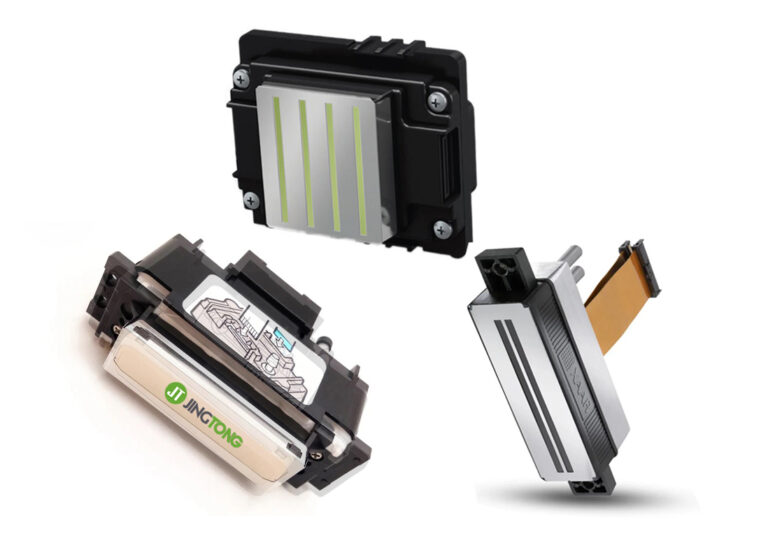
● Epson I1600-A1: Designed for compatible aqueous ink applications.
● Epson I1600-E1: Intended for compatible eco-solvent applications.
● Epson I1600-U1: Designed for compatible UV-curable ink systems.
● Epson DX5: Used in various established aqueous and eco-solvent printer platforms, depending on the specific configuration.
● Ricoh Gen5 and KM1024i: Industrial printhead families used in different production systems, with compatibility depending on the exact model and ink formulation.
● Xaar 1201: A printhead option to evaluate for compatible industrial printing applications.
Always check the manufacturer’s specifications for the exact model. Printheads within the same family are not necessarily interchangeable, and third-party claims should not replace official compatibility information.
2. Compare Print Quality and Grayscale Performance
Printhead technology influences droplet formation, tonal transitions, detail reproduction, and the printing modes available to the machine.
Grayscale-capable printheads can produce different droplet sizes through controlled firing waveforms, which may help create smoother gradients and photographic details. Binary printing systems use a fixed droplet size per firing event and rely more heavily on halftoning to reproduce tonal variation.
The best choice depends on the final application. Fine artwork, photographic graphics, and detailed packaging may benefit from grayscale control, while simpler graphics and text may have different priorities.
Actual print quality also depends on ink, RIP software, resolution, print passes, and media characteristics.
3. Evaluate Production Speed
Production speed depends on more than the printhead’s maximum firing frequency. Nozzle configuration, droplet volume, print resolution, number of passes, media transport, and drying or curing requirements all influence real output.
For lower-volume production, a multi-pass printer may offer a practical balance of quality and investment. High-volume packaging or industrial applications may require multiple printheads and a synchronized single-pass system.
Compare output using the same media, print mode, and quality requirements whenever possible. Advertised maximum speeds should not be treated as guaranteed production rates.
4. Consider Integration and Maintenance
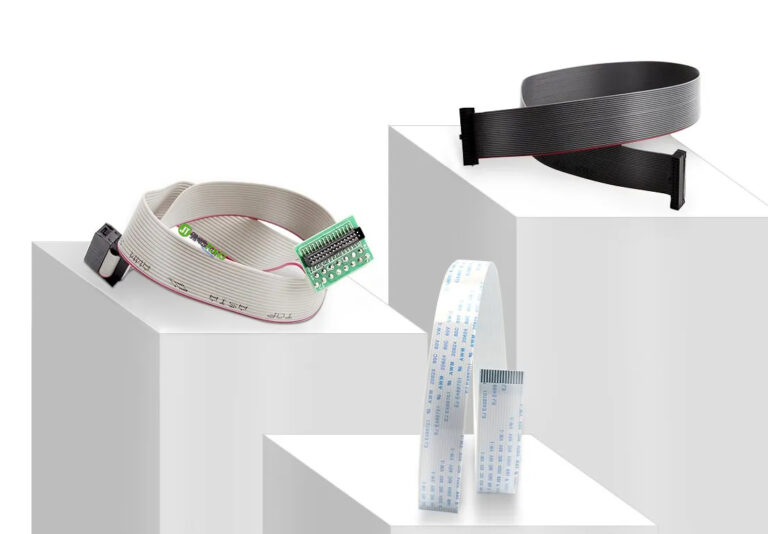
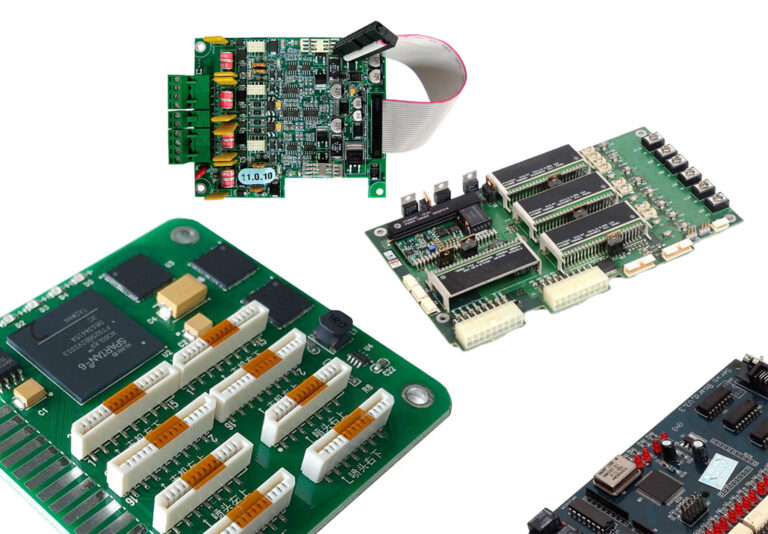
A printhead replacement or upgrade may require changes to the drive electronics, waveform settings, firmware, ink delivery system, and maintenance procedures.
Before ordering, confirm:
● The controller supports the exact printhead model.
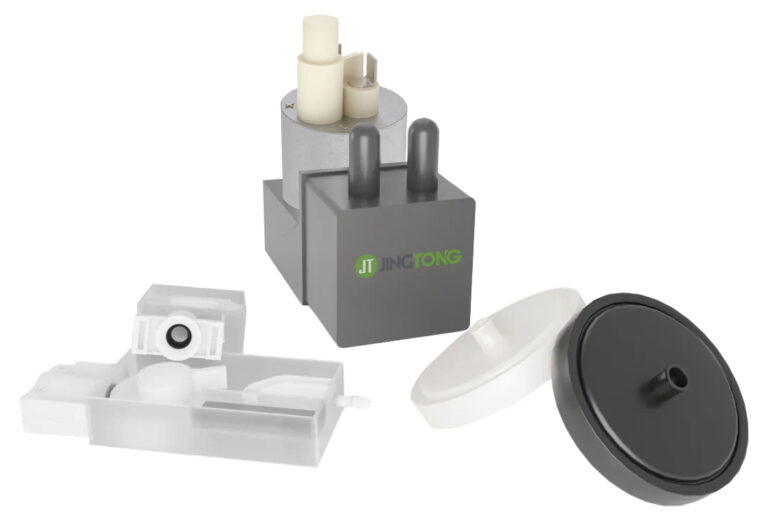
● Ink tubes, filters, seals, and dampers are chemically compatible.
● Filtration meets the printhead manufacturer’s requirements.
● Temperature control and degassing meet the ink system’s needs.
● Suitable calibration, nozzle checking, and technical support are available.
These checks are particularly important when changing ink categories or moving from a legacy printer platform to a newer industrial printhead.
5. Calculate Total Cost of Ownership
Purchase price is only one part of the total cost. Ink consumption, maintenance labor, replacement parts, downtime, and integration expenses can significantly affect long-term operating costs.
A lower-priced printhead may be suitable for a budget-conscious project, while a more specialized model may be preferable when the application requires particular ink compatibility or higher production stability.
Conclusion
The right industrial printhead balances ink compatibility, print quality, throughput, integration requirements, and long-term cost. Verify the exact specifications and test the complete printing system before making a final selection.