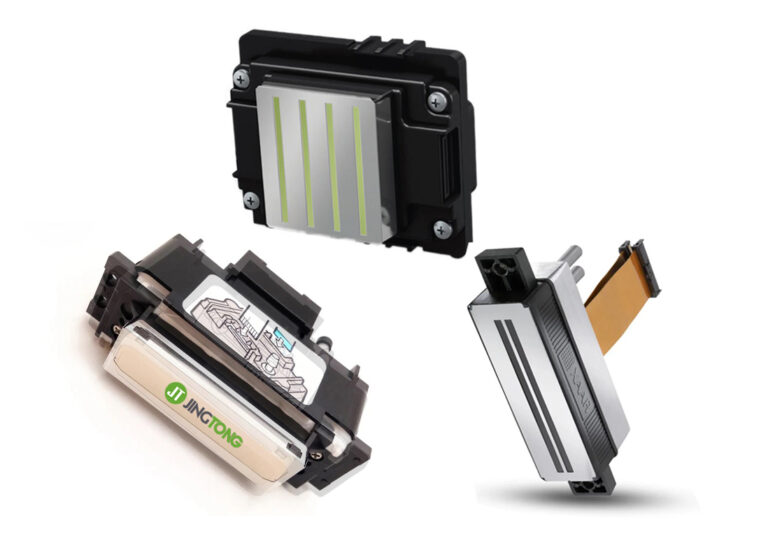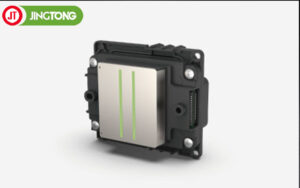
An Epson printhead comparison helps printing businesses choose the right component for their equipment, ink system, and production requirements. Popular models such as the I3200, I1600, 4720, and XP600 differ in nozzle configuration, effective print width, supported ink types, and intended applications. Understanding these differences can help users balance print quality, productivity, and replacement costs.
Epson I3200 Series: Industrial Printing Performance
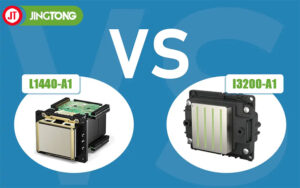
The Epson I3200 series uses PrecisionCore MicroTFP technology and is widely used in commercial and industrial digital printing equipment. Common versions include I3200-A1, I3200-E1, and I3200-U1, each designed for a different ink application.
● I3200-A1: Designed for water-based inks, including compatible DTF, sublimation, and pigment ink systems.
● I3200-E1: Designed for eco-solvent ink applications, including signage, banners, and stickers.
● I3200-U1: Designed for UV ink applications, such as UV flatbed and roll-to-roll printing.
Although these models belong to the same family, their ink compatibility and system requirements differ. They should not be treated as interchangeable without confirmation from the manufacturer.
The I3200 is often considered when a business needs higher production capacity than an entry-level printer can provide. Actual output depends on the number of installed heads, print mode, resolution, ink supply, and machine design.

Epson I1600: A Balance Between Cost and Performance
The Epson I1600 series offers options for businesses that need a compact industrial printhead configuration. Versions such as I1600-A1 and I1600-U1 target different ink systems, including water-based and UV applications respectively.
The I1600 may be suitable for smaller commercial printers, compact DTF equipment, and selected UV printing systems. Compared with a system designed around larger or more numerous printheads, an I1600 configuration may help manufacturers control equipment size and initial investment.
However, the overall production capacity depends on the complete printer rather than the printhead alone. Before selecting an I1600, compare effective print width, available ink channels, required output speed, and replacement availability.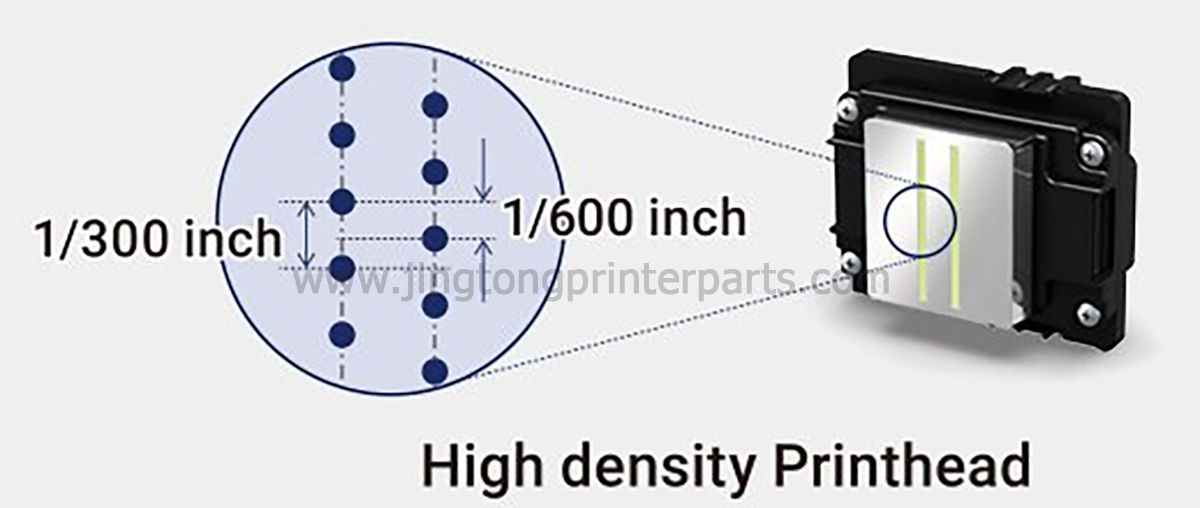
Epson 4720 and 5113: Water-Based Printing Options
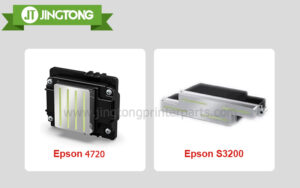
The Epson 4720 and 5113 have been used in water-based printing systems, including sublimation and textile-related applications. The 4720 is often associated with cost-conscious equipment, while the 5113 is found in certain earlier printer configurations.
When comparing these models, check the exact part identification, electrical configuration, ink compatibility, and availability of a suitable replacement. A printhead that appears similar may not work correctly in every machine.
For users maintaining older printers, compatibility with the original control board and ink system may be more important than selecting a newer model based on its headline specifications.
Epson XP600 and F1080: Options for Compact Printers
The XP600 is widely used in entry-level DTF, UV, and selected eco-solvent printers. Its relatively accessible replacement cost makes it attractive for small businesses and users who prioritize a lower initial investment.
The F1080 is another compact printhead option associated with specific Epson-derived printing platforms. Its supported ink type and machine compatibility must be confirmed from the exact part specification rather than assumed from its model name.
These printheads can be practical for smaller production volumes, but users should consider replacement frequency, maintenance requirements, and the cost of downtime when evaluating long-term value.
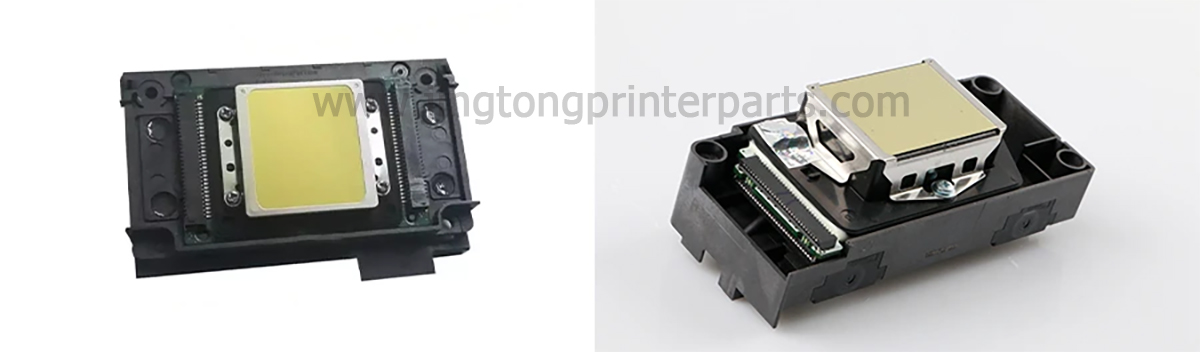
How to Choose the Right Epson Printhead
Start by identifying the ink type and intended application. DTF and sublimation systems generally require compatible water-based configurations, eco-solvent printers need the appropriate solvent-compatible head, and UV printers require a head designed for the relevant UV ink system.
Next, evaluate daily production volume, required image quality, and the printer’s supported head configuration. A higher-specification printhead may be unnecessary for occasional printing, while a low-cost option may become a limitation in a busy production environment.
Finally, verify the exact model and suffix, control-system compatibility, and supplier support before ordering. Choosing a head based only on price or nozzle count can lead to avoidable installation problems.
Conclusion
The best Epson printhead depends on the printing application, ink compatibility, production target, and total operating cost. The I3200 and I1600 families provide different industrial configurations, while the 4720, 5113, XP600, and F1080 remain relevant to particular existing or compact systems. Confirming the exact model and printer compatibility is the most reliable starting point for a successful purchase.