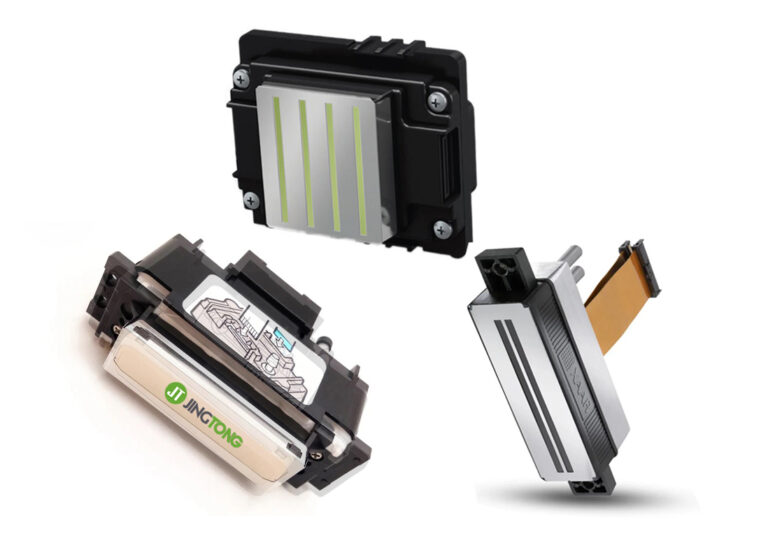
A STARFIRE SG1024 printhead comparison helps industrial printer manufacturers and maintenance teams understand the differences between the SA-2C and MA-2C models. Although these printheads share a 1024-jet architecture, their nominal drop sizes and intended printing requirements can influence the final choice.
Selecting the right model requires more than comparing nozzle counts. Ink formulation, print quality targets, controller compatibility, and the intended production process must also be considered.
1. Core Specifications
The two models share several design characteristics, according to the reference specifications.
| Feature | SG1024/SA-2C | SG1024/MA-2C |
|---|---|---|
| Nozzle architecture | 1024 jets | 1024 jets |
| Nominal drop size | 12 pL | 30 pL |
| Jet arrangement | 2 × 512 channels | 2 × 512 channels |
| Printing modes | Scanning or single-pass, subject to system design | Scanning or single-pass, subject to system design |
| Drop control | VersaDrop technology, subject to configuration | VersaDrop technology, subject to configuration |
These figures are reference values, not a substitute for the exact manufacturer’s datasheet. Confirm the complete model designation and revision before purchasing.
2. Drop Size and Print Quality
The most noticeable difference is nominal drop volume. The SA-2C is listed at 12 pL, while the MA-2C is listed at 30 pL.
The smaller nominal drop of the SA-2C may be beneficial for fine details, smooth tonal transitions, and applications where controlled ink deposition is important. The MA-2C’s larger nominal drop may suit jobs that require heavier ink laydown or stronger coverage.
However, drop size alone does not determine image quality. Resolution, waveform settings, ink properties, substrate characteristics, and printer calibration all influence the final result.
3. Application Considerations
The SA-2C may be worth evaluating for detailed graphics, textile printing, and other applications that prioritize fine image reproduction.
The MA-2C may be considered for industrial decoration or processes that need higher ink deposition per drop. Whether it is suitable for UV, solvent, or aqueous printing depends on the exact head variant and the complete ink delivery system.
Neither model should be selected for an application based solely on its nominal drop size. Test results on the target substrate are more reliable than general application labels.
4. Ink Supply and Control System Compatibility
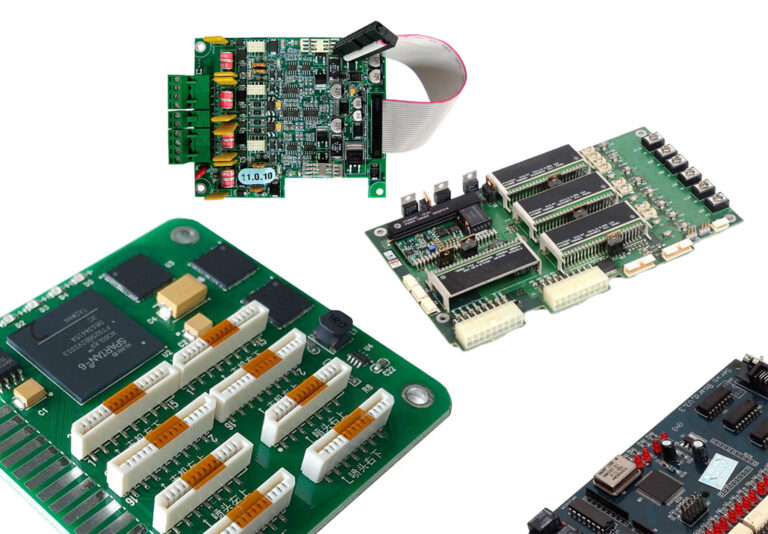
Printhead integration requires careful matching of the ink supply, drive electronics, waveform, and operating parameters. Even when two models have similar mechanical dimensions, their electrical and control requirements may differ.
Before installation, verify:
● Supported ink chemistry and viscosity range.
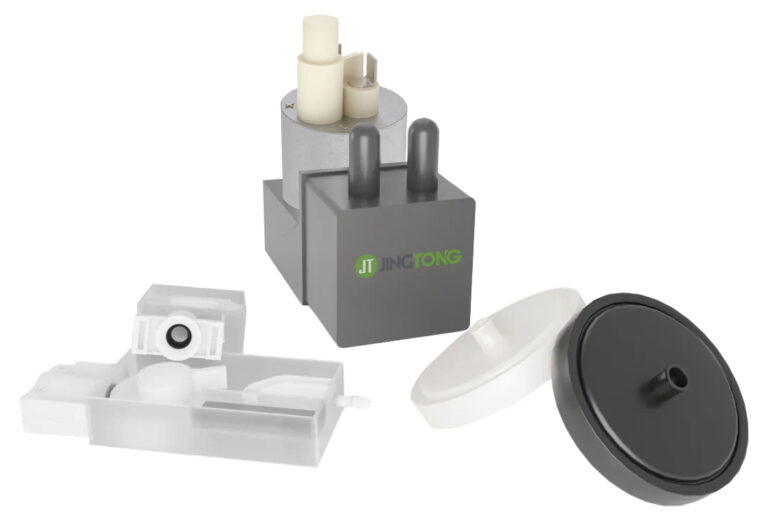
● Ink filtration and circulation requirements.
● Compatible driver board and controller.
● Approved waveform and operating settings.
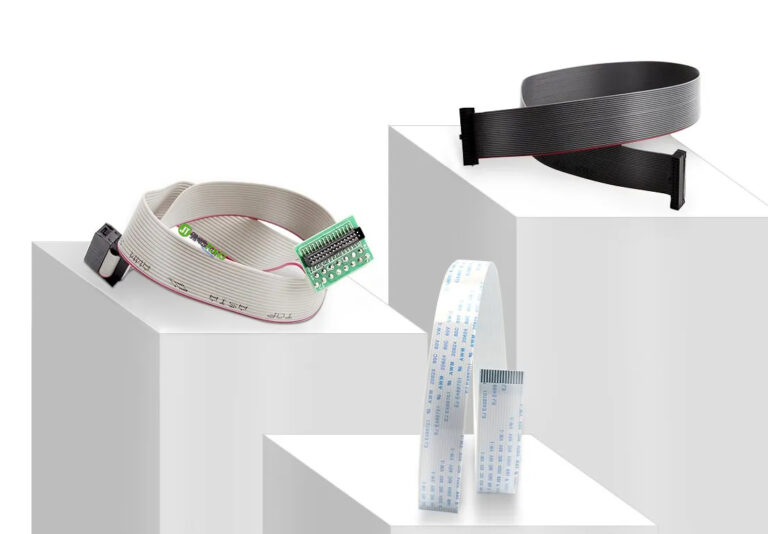
● Mounting dimensions, cable connections, and maintenance procedures.
Using an incompatible controller or unsuitable ink can lead to unstable jetting, poor print quality, or printhead damage.
5. Maintenance and Replacement Planning
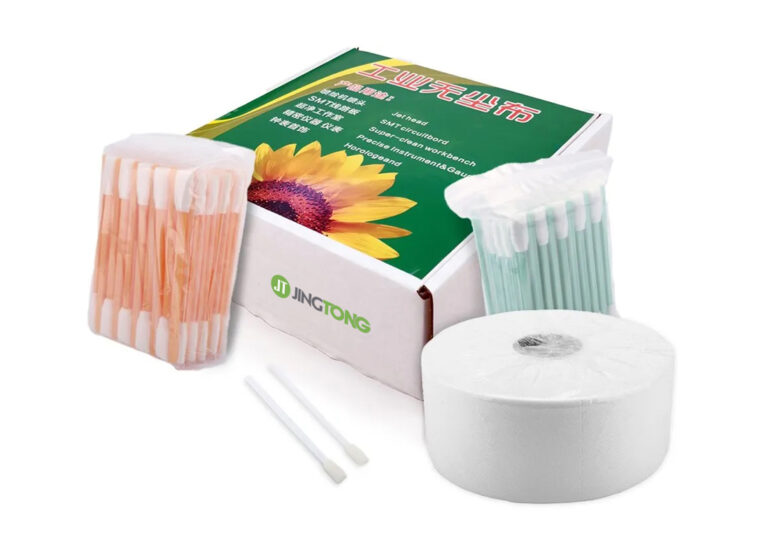
Regular maintenance helps maintain stable printing performance. Follow the manufacturer’s recommendations for ink circulation, cleaning, shutdown, and storage. Avoid introducing cleaning fluids or inks that have not been confirmed as compatible.
When replacing an existing head, record the complete model code and check the machine’s current controller and ink system. A head that appears similar may not be a direct replacement.
Conclusion
The STARFIRE SG1024/SA-2C and SG1024/MA-2C differ primarily in their listed nominal drop sizes: 12 pL and 30 pL, respectively. The SA-2C may be better suited to fine-detail requirements, while the MA-2C may be considered for applications requiring greater ink deposition.
For reliable selection, compare the official specifications with the printer’s ink system, controller, and production requirements before ordering.